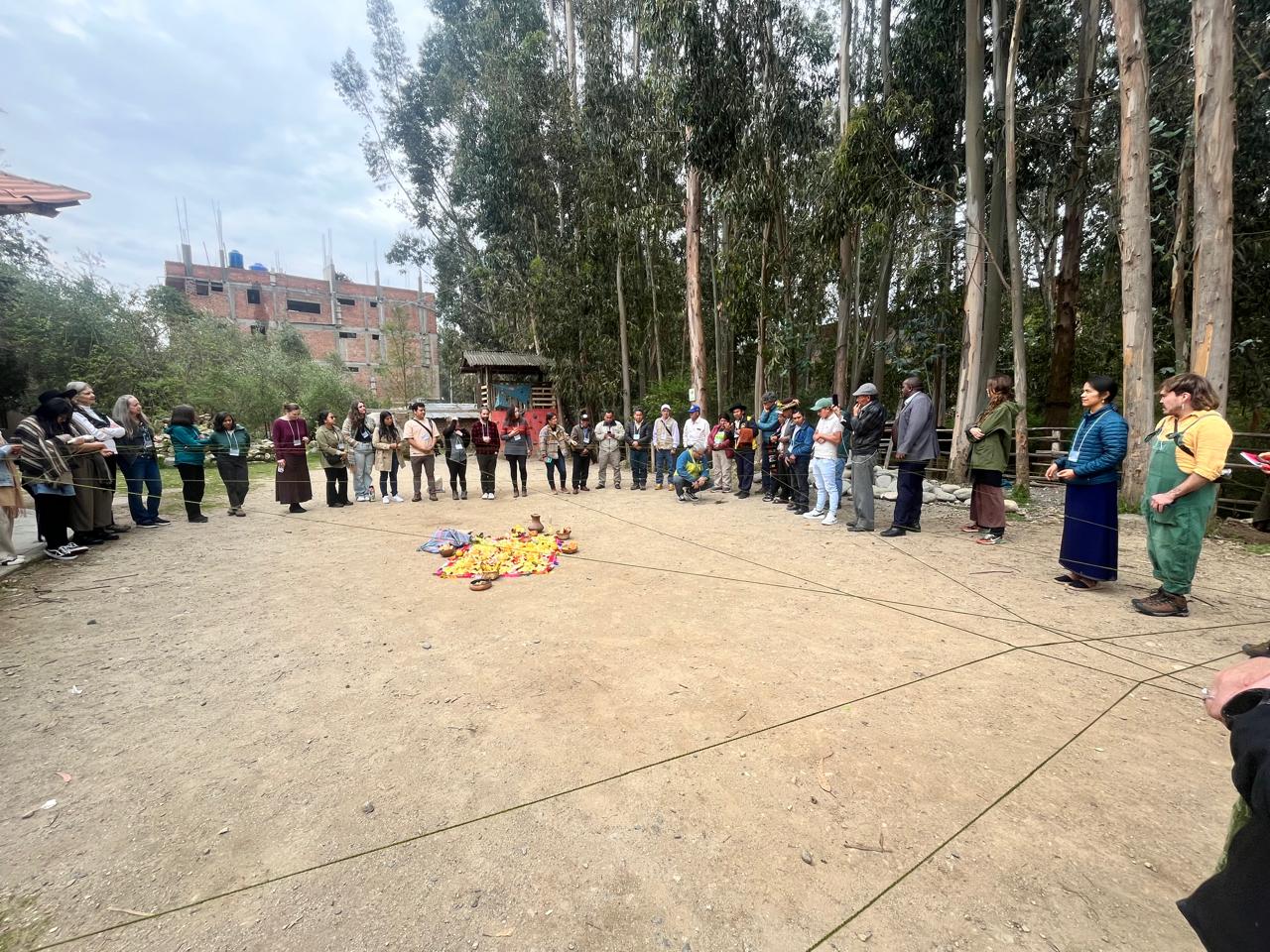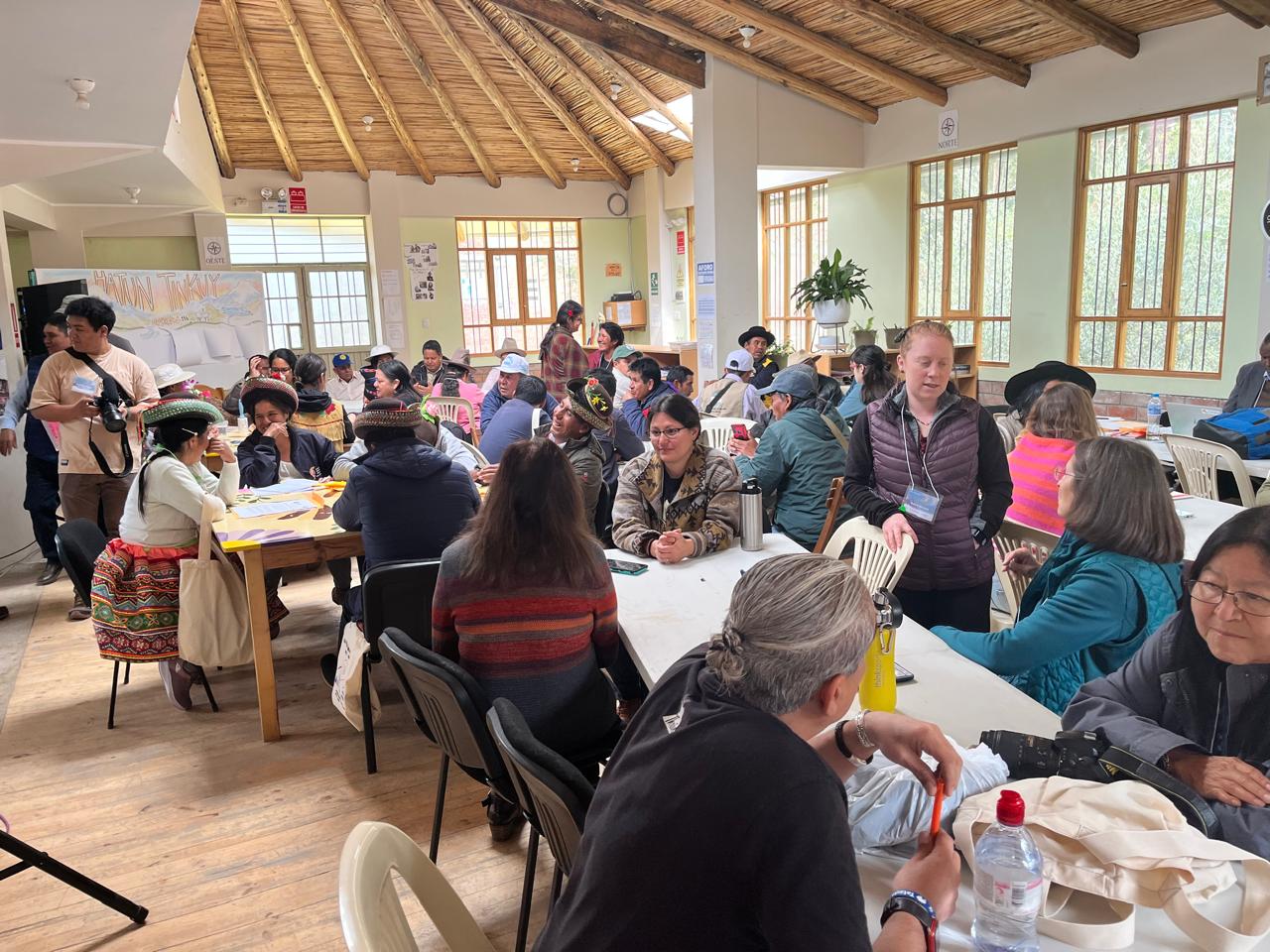
From 7 to 10 December 2024, mountain communities from around the world gathered in Huaraz, Peru, for Hatun Tinkuy, an event organised by the Mountain Sentinels, Instituto de Montaña and the Asociación Bartolomé Aripaylla – ABA. This large gathering brought together a diverse community of Indigenous representatives, academics, researchers and specialists from Peru and beyond, reflecting the spirit of Hatun Tinkuy: a «great gathering» of people committed to mountain conservation and the revitalisation of Indigenous knowledge systems.
For four days we shared knowledge and experience, strengthening our bonds with each other and with the land. It was a space to reaffirm the fundamental role of mountain peoples in conserving and building a sustainable future for their ecosystems.
Weaving new connections
Field trip: Sacracancha & Urushraju
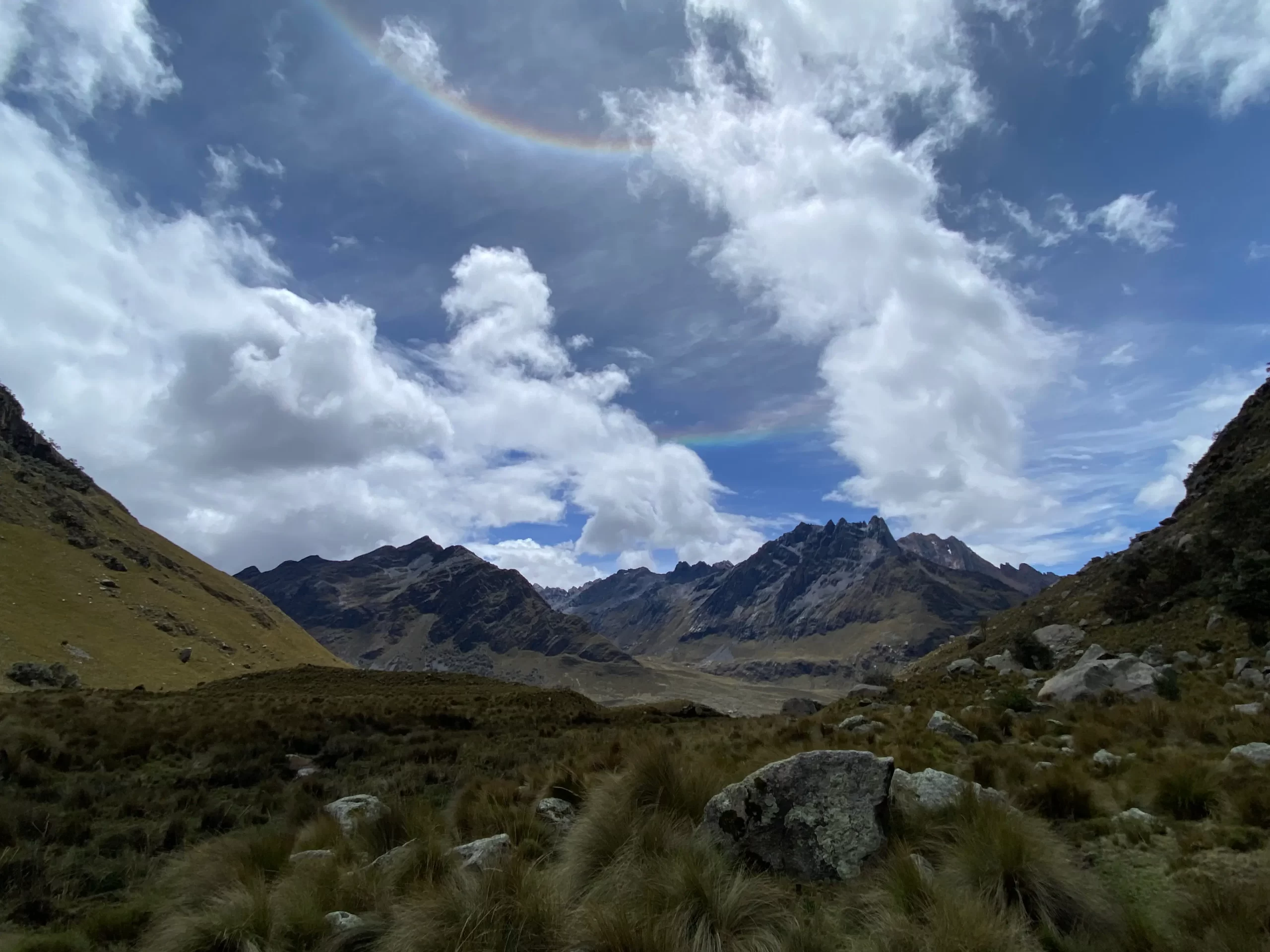
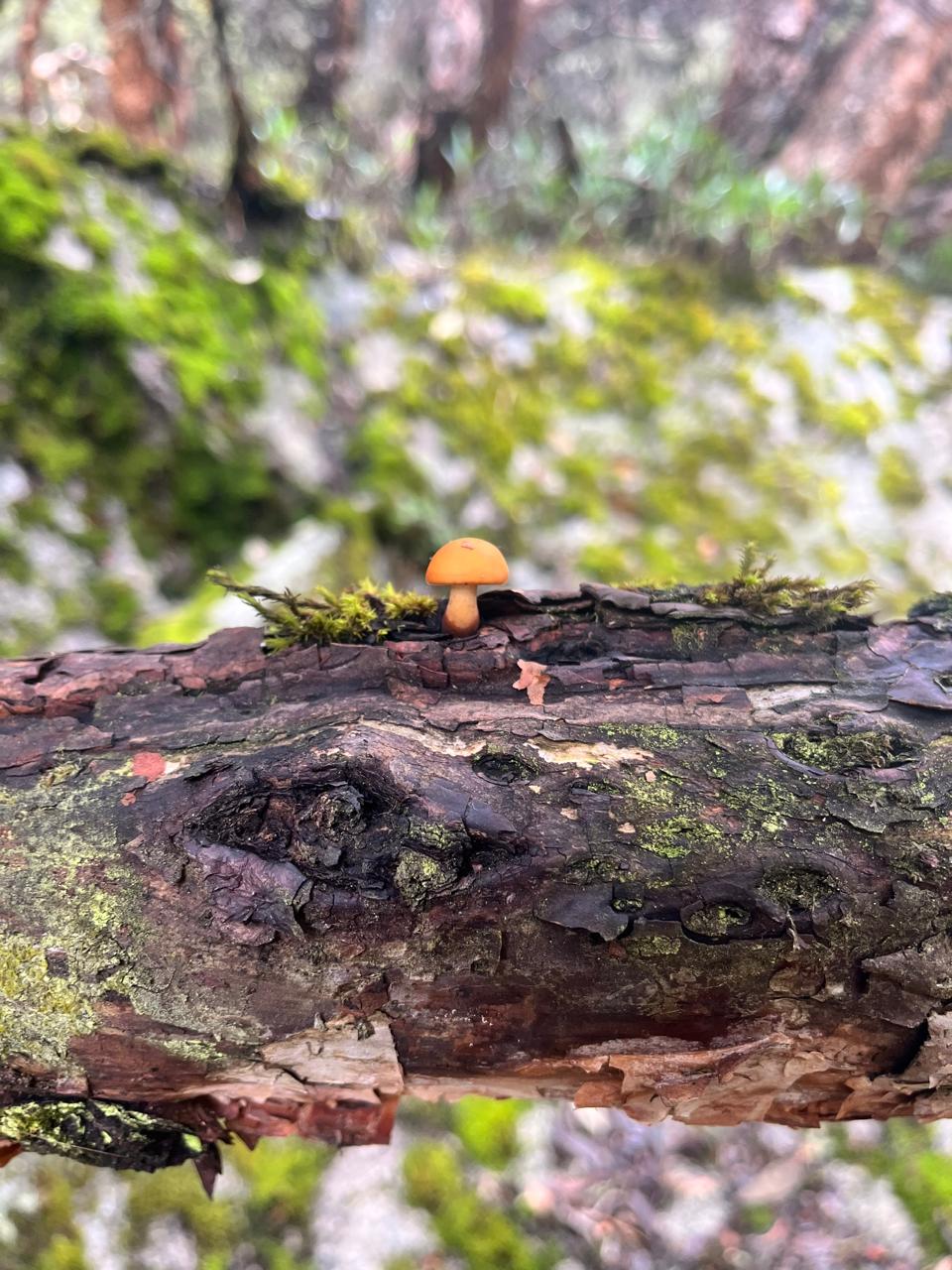
The next day we plunge into the mountains. In Huascarán National Park, in Sacracancha, we explored two key sites: the Urushraju glacier and the remaining trees in an old growth forest of queñuales (Polylepis spp.). There, we not only learned about the land, but also about each other, deepening our understanding of climate change impacts and nature-based solutions from a community perspective.
In the afternoon we had the opportunity to visit the native grassland experimental units, where representatives of the Cordillera Blanca community shared with us their experiences and valuable learnings.
The next day we plunge into the mountains. In Huascarán National Park, in Sacracancha, we explored two key sites: the Urushraju glacier and the remaining trees in an old growth forest of queñuales (Polylepis spp.). There, we not only learned about the land, but also about each other, deepening our understanding of climate change impacts and nature-based solutions from a community perspective.
In the afternoon we had the opportunity to visit the native grassland experimental units, where representatives of the Cordillera Blanca community shared with us their experiences and valuable learnings.
Sharing in community: Knowledge exchange
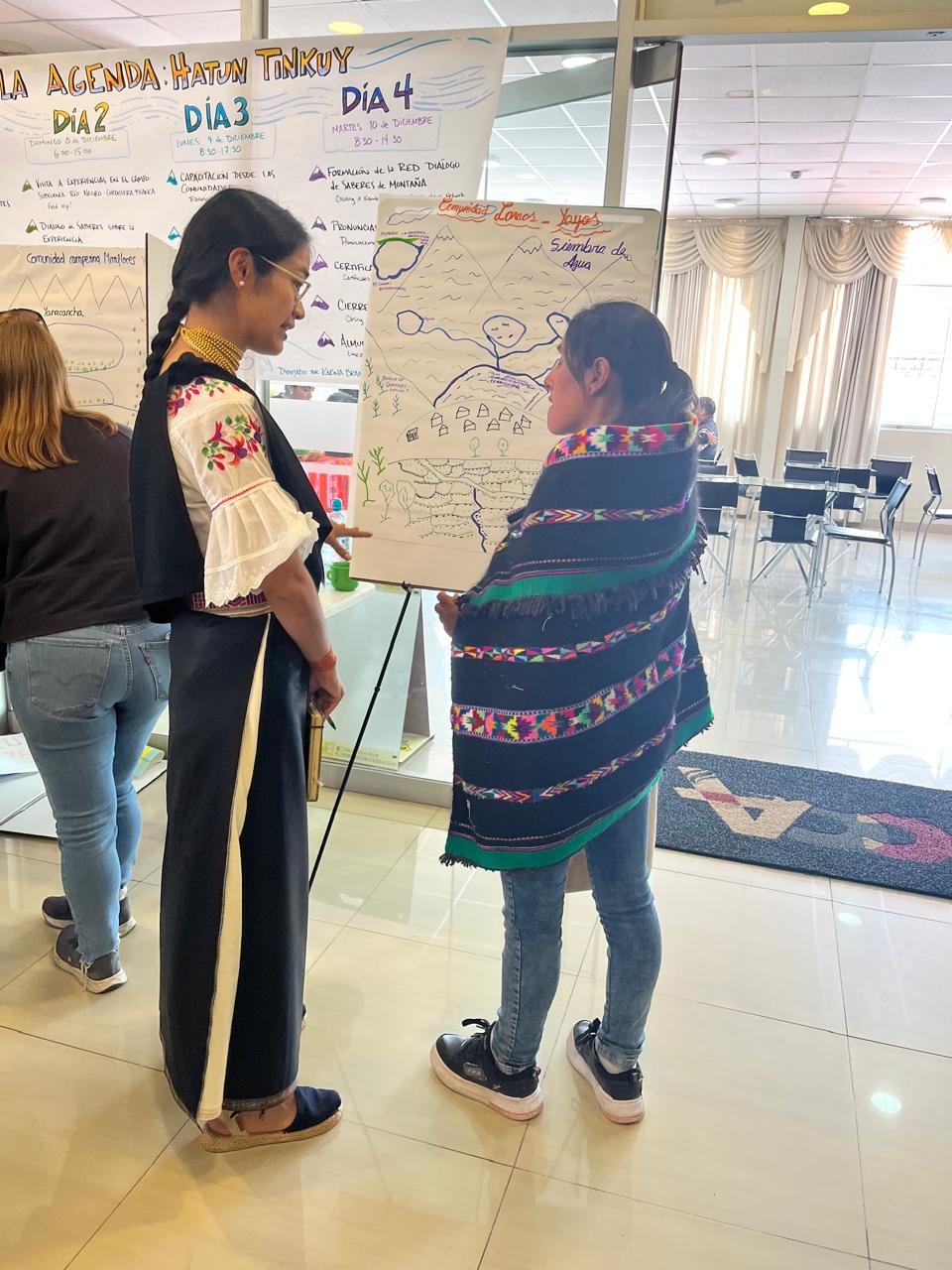
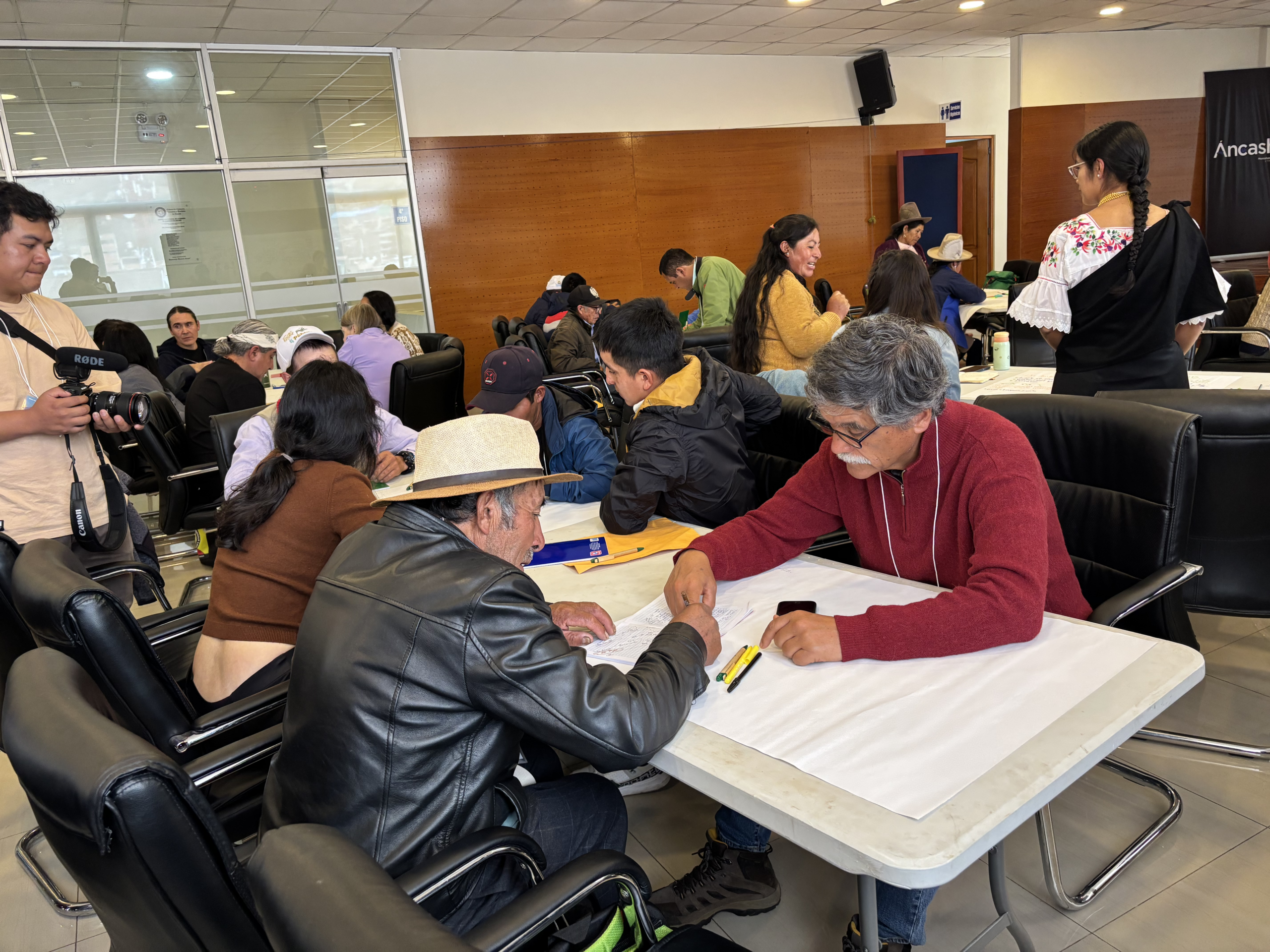
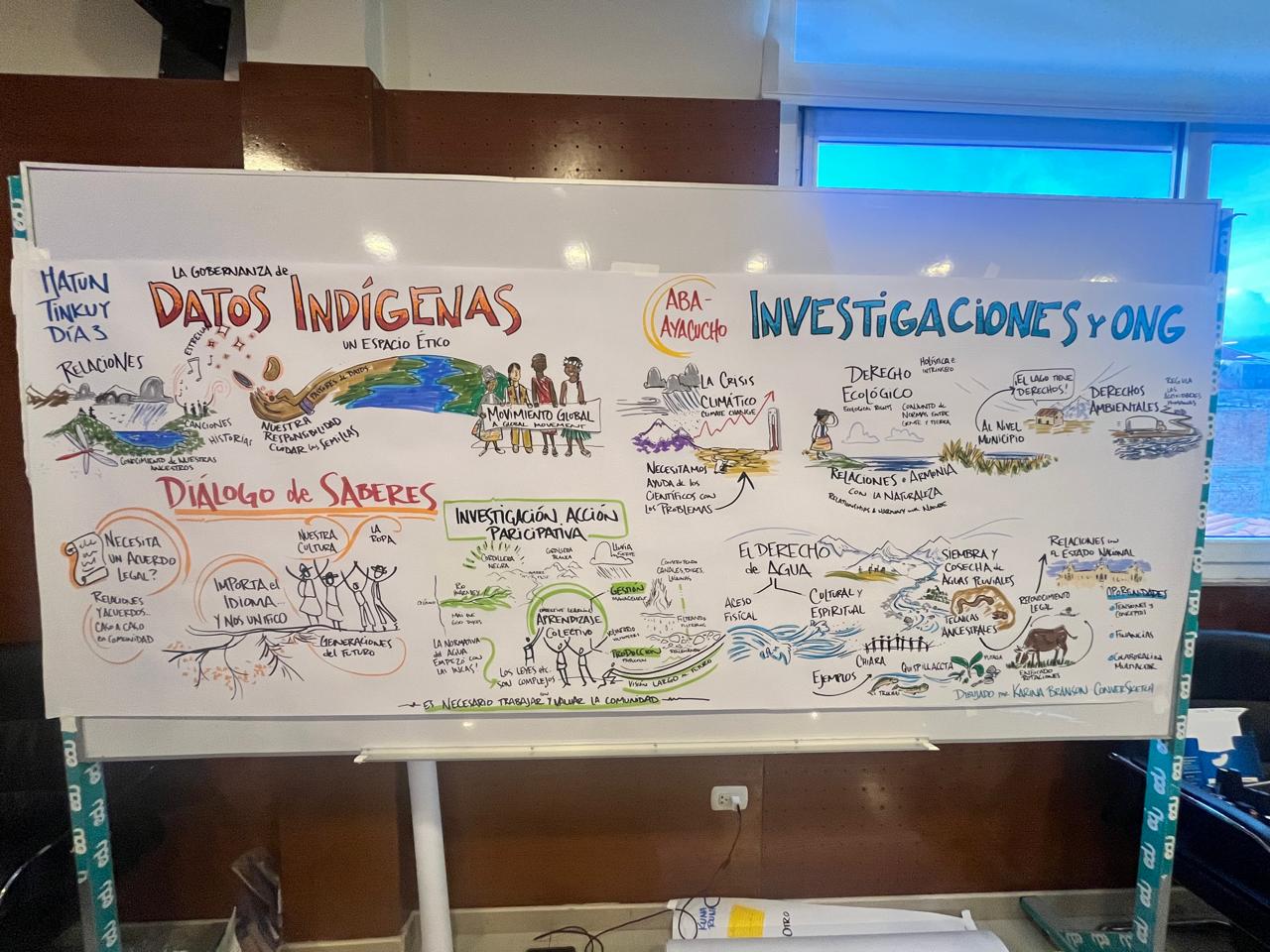
The third day was dedicated to dialogue and collective learning. Through workshops and discussions, we explored the diverse challenges facing mountain communities. A session on community achievements highlighted the remarkable efforts of Indigenous science and practices in the Andes – knowledge that has endured for millennia and continues to shape the future.
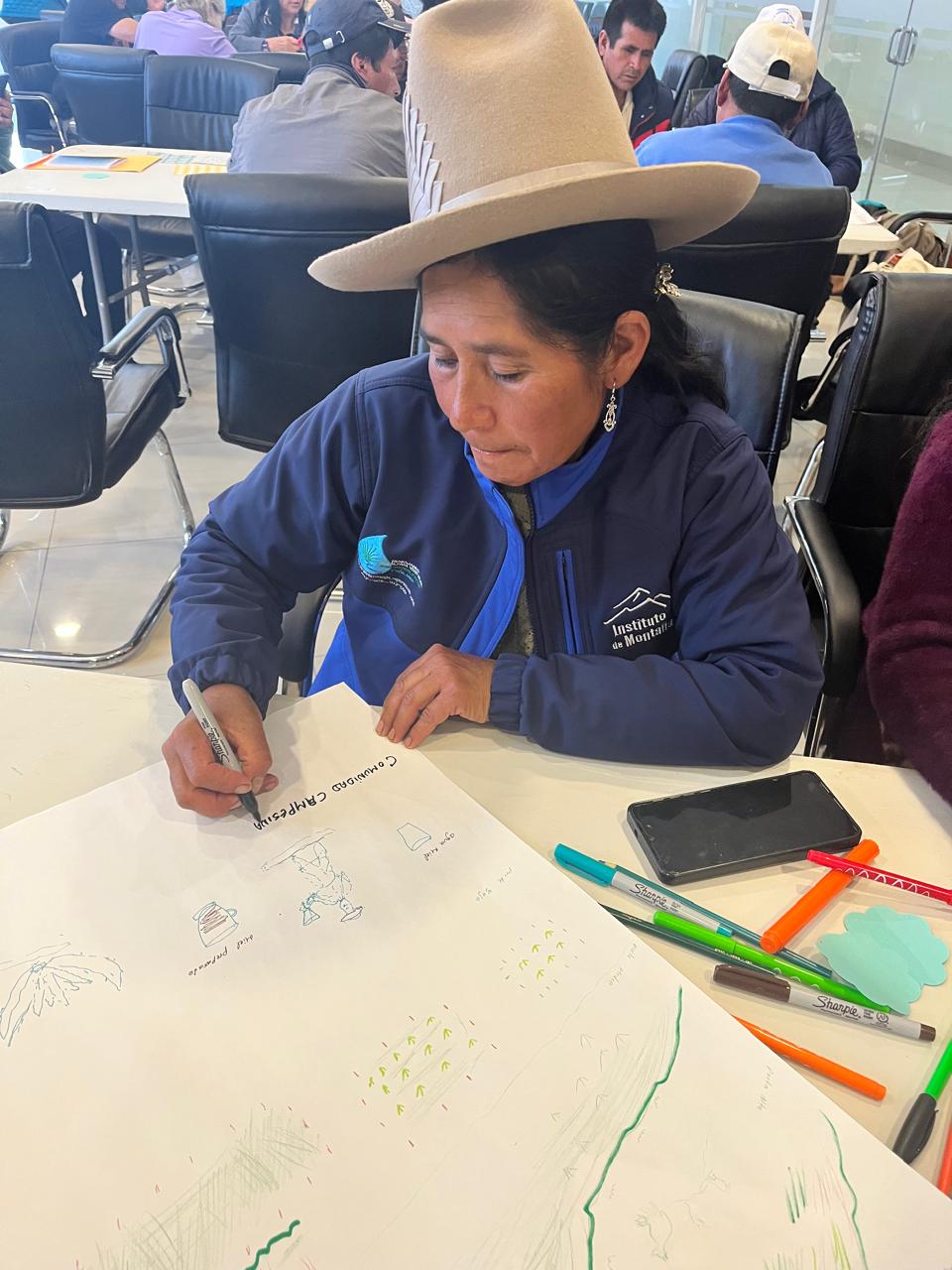
During the workshop sessions, we organised ourselves into groups and had lively, in-depth discussions on a variety of topics, ranging from applied research ethics, to ways to build resilience in the communities we work with, to Indigenous knowledge systems, to adaptive management systems, and the related work we do in our respective fields.
Hatun Tinkuy Andino: a platform for mountain communities
On the final day, members of Andean communities, researchers and organisations came together to create a permanent mechanism for sharing knowledge: the Andean Hatun Tinkuy, a space that will continue to foster cooperation and dialogue in the future.
The meeting ended on the eve of International Mountain Day, reminding us of the importance of empowering and raising the profile of those who inhabit and protect these landscapes. We are grateful to have been part of this collective effort to share knowledge and experience for the future of the mountains.